Winter Online Research Program
Online research during winter break, recommended for students in Grades 9–12; university students may also participate. Up to 5 students per cohort, with 10 professor hours and 30 TA hours.
Your interests.
Your question. Your paper.
Start with what you want to investigate. Develop your own research question and write your own paper, with professor and TA guidance on methods, evidence and revision. The course theme is a starting point—not a predetermined paper to reproduce.
Applications & feesProgram at a glance
- Who it is for
- Recommended for students in Grades 9–12. University students may also participate.
- Learning format
- Online (Remote)
- Professor instruction
- 10 hours
- TA guidance
- 30 hours
See the dates and teaching schedule for this cohort.
Students work toward their own research manuscript. Journal submission and acceptance are separate steps; publication and university admission are not guaranteed.
The Architecture of Choice: Behavioral Economics, Cognitive Bias, and Nudge Theory
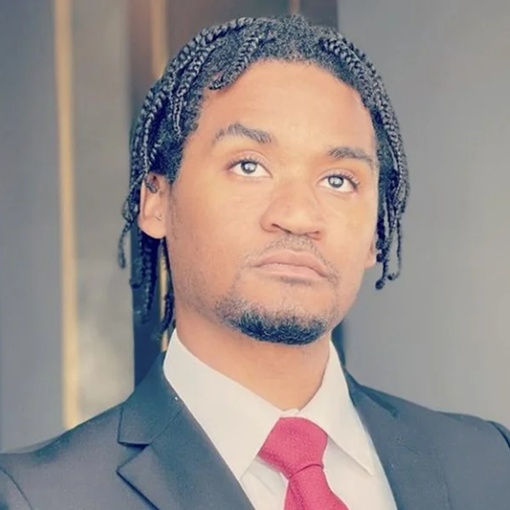
Led by Emory Economics Professor David McMillon (former Harvard Fellow and University of Chicago Ph.D.), this program challenges orthodox economic assumptions through behavioral economics, cognitive bias, and nudge theory. Students analyze empirical datasets on consumer, healthcare, and educational choices—culminating in a rigorous, publication-ready research manuscript demonstrating superior quantitative and analytical command.A quantitative economist trained at the University of Chicago (Ph.D.) and Harvard University (Postdoctoral Fellow), Professor David McMillon is an Assistant Professor of Economics at Emory University. His research models the dynamics of human capital formation, educational inequality, and behavioral decision-making under scarcity. Dr. McMillon applies sophisticated econometric and machine learning tools to high-stakes policy questions. Students working with Professor McMillon master rigorous empirical data analysis, learning how to test economic hypotheses against real-world datasets and construct mathematically defensible policy recommendations.
Climate Geopolitics: The Green Race, Energy Security, and Great Power Competition
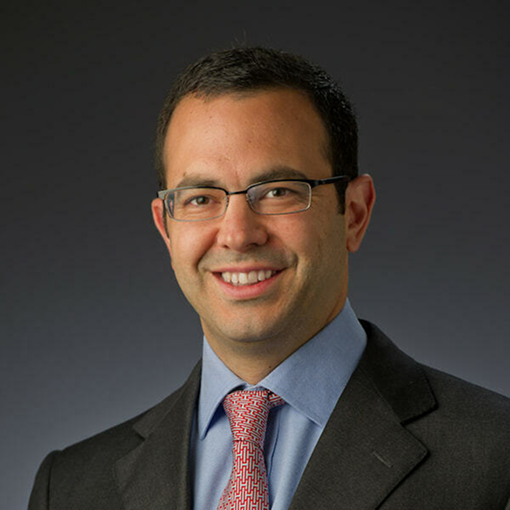
Guided by internationally acclaimed geopolitical realist Professor Sebastian Rosato (co-author with John Mearsheimer of How States Think and graduate of Cambridge, Oxford, and Chicago), this program analyzes how clean energy transition and critical mineral supply chains reshape superpower rivalry. Students master diplomatic strategic analysis and statecraft, formulating definitive, policy-grade research evaluated on Ivy League standards.An internationally acclaimed foreign policy realist, Professor Sebastian Rosato is Professor of Political Science at the University of Notre Dame and co-author (with legendary scholar John Mearsheimer) of How States Think: The Rationality of Foreign Policy. Holding degrees from Cambridge, Oxford, and a Ph.D. from the University of Chicago, Dr. Rosato is a foremost authority on grand strategy, great power politics, and global security architectures. Mentorship with Dr. Rosato trains young scholars in the rigorous analytical frameworks employed by diplomats, national security councils, and elite political science programs—equipping students with world-class writing and policy evaluation skills.
The Secrets of Immortality: Stem Cells, Gene Networks, and the Science of Regeneration
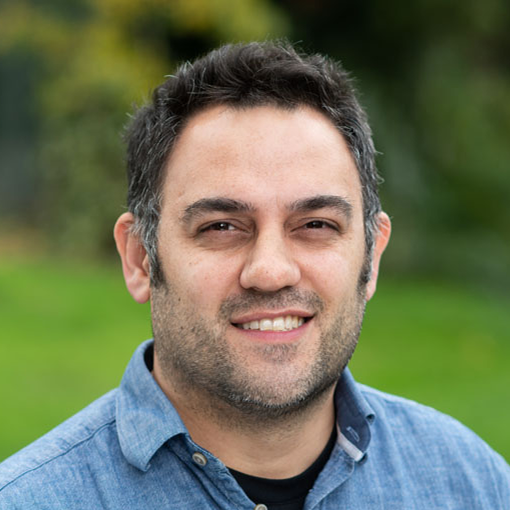
Under the mentorship of University of Oxford Professor Aziz Aboobaker (Dean of Lady Margaret Hall and Vice Chair of the Oxford Genomics Supervisory Committee), students explore the frontiers of stem cell regeneration and biological immortality. Utilizing authentic Oxford bioinformatics and functional genomics frameworks, scholars investigate cellular renewal, gene networks, and CRISPR gene-editing therapies—authoring an exceptional, peer-review-grade research thesis.Chair of Functional Genomics at the University of Oxford and Dean of Lady Margaret Hall, Professor Aziz Aboobaker is an internationally celebrated authority on regenerative biology and stem cell genetics. As Vice Chair of the Oxford Genomics Supervisory Committee and Associate Editor of PLOS Genetics, Dr. Aboobaker leads groundbreaking research into how planarian flatworms achieve biological immortality through limitless tissue regeneration. Students mentored by Professor Aboobaker engage directly with high-throughput genomic data, modern CRISPR gene-editing models, and advanced bioinformatics—developing foundational scholarship alongside one of Oxford's premier research supervisors.
Quantitative Analysis of Biochemistry
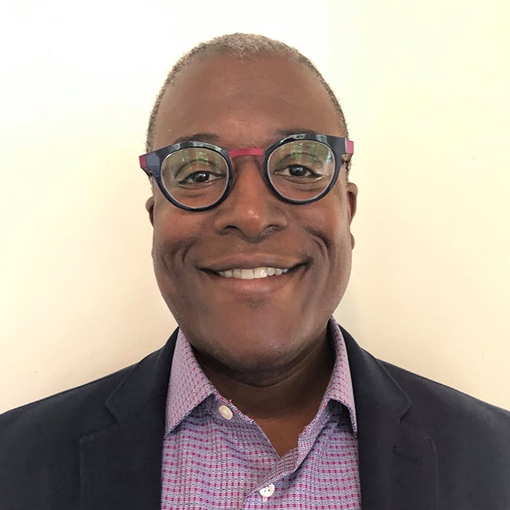
Directed by UCSF Professor and Chan Zuckerberg Biohub Investigator Dr. Jason Sello (former Harvard Fellow and NSF Award recipient), this intensive program immerses ambitious students in modern drug discovery. Scholars analyze complex biochemical mechanisms, evaluate molecular structures of therapeutic agents, and design novel antibiotic compounds to combat drug resistance—producing a publication-caliber research paper demonstrating mastery of collegiate pharmaceutical chemistry.A leading pharmaceutical chemist at the University of California, San Francisco (UCSF)—the nation's premier biomedical research institution—Professor Jason Sello is an investigator at the Chan Zuckerberg Biohub and recipient of the prestigious U.S. National Science Foundation (NSF) Career Award. Having completed his postdoctoral fellowship at Harvard University, Dr. Sello directs cutting-edge laboratories pioneering next-generation antimicrobial drugs and therapeutic enzymes to combat antibiotic-resistant superbugs. Under his mentorship, students gain direct exposure to elite pharmaceutical discovery pipelines, mastering the molecular modeling and experimental design standards valued by top medical schools and Ivy League bioscience faculties.