Climate Geopolitics: The Green Race, Energy Security, and Great Power Competition
Guided by internationally acclaimed geopolitical realist Professor Sebastian Rosato (co-author with John Mearsheimer of How States Think and graduate of Cambridge, Oxford, and Chicago), this program analyzes how clean energy transition and critical mineral supply chains reshape superpower rivalry. Students master diplomatic strategic analysis and statecraft, formulating definitive, policy-grade research evaluated on Ivy League standards.
Program Overview
Rigorous Methodology
Develop advanced data collection and analysis skills under strict academic standards.
Publication Output
Students author their own research manuscript. Journal submission and acceptance are separate steps, not guaranteed outcomes.
Expert Mentorship
Direct feedback and ongoing guidance from scholars active at top global institutions.
Your interests.
Your question. Your paper.
Start with what you want to investigate. Develop your own research question and write your own paper, with professor and TA guidance on methods, evidence and revision. The course theme is a starting point—not a predetermined paper to reproduce.
Applications & feesProgram at a glance
- Who it is for
- Recommended for students in Grades 9–12. University students may also participate.
- Learning format
- Online (Remote)
- Professor instruction
- 10 hours
- TA guidance
- 30 hours
See the dates and teaching schedule for this cohort.
Students work toward their own research manuscript. Journal submission and acceptance are separate steps; publication and university admission are not guaranteed.
✦ Research Overview
Climate transition is rapidly evolving into a high-stakes arena of great power rivalry and geopolitical conflict. Through the lens of structural realism, this program examines how major global powers—the United States, China, and the European Union—navigate strategic tensions surrounding renewable energy supply chains, rare earth dominance, and national energy security. Students critically analyze modern geopolitical friction points, from resource nationalism to green trade barriers such as the Carbon Border Adjustment Mechanism (CBAM).
✦ Key Badges & Tags #ClimateGeopolitics #GreatPowerCompetition #EnergySecurity #GreenProtectionism #RealistTheory #GlobalStrategy
Course Curriculum
Climate Geopolitics: The Green Race, Energy Security, and Great Power Competition
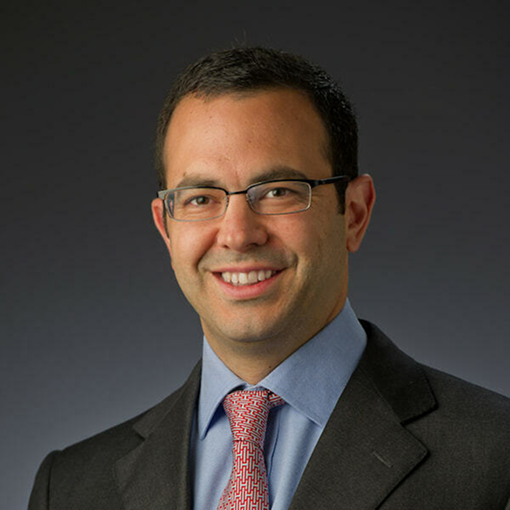
Led by Sebastian Rosato
Professor of Political Science • University of Notre Dame
An internationally acclaimed foreign policy realist, Professor Sebastian Rosato is Professor of Political Science at the University of Notre Dame and co-author (with legendary scholar John Mearsheimer) of How States Think: The Rationality of Foreign Policy. Holding degrees from Cambridge, Oxford, and a Ph.D. from the University of Chicago, Dr. Rosato is a foremost authority on grand strategy, great power politics, and global security architectures. Mentorship with Dr. Rosato trains young scholars in the rigorous analytical frameworks employed by diplomats, national security councils, and elite political science programs—equipping students with world-class writing and policy evaluation skills.
✦ Research Overview Climate transition is rapidly evolving into a high-stakes arena of great power rivalry and geopolitical conflict. Through the lens of structural realism, this program examines how major global powers—the United States, China, and the European Union—navigate strategic tensions surrounding renewable energy supply chains, rare earth dominance, and national energy security. Students critically analyze modern geopolitical friction points, from resource nationalism to green trade barriers such as the Carbon Border Adjustment Mechanism (CBAM). ✦ Key Badges & Tags #ClimateGeopolitics #GreatPowerCompetition #EnergySecurity #GreenProtectionism #RealistTheory #GlobalStrategy
Professor Hours
10 hours
TA Mentoring Hours
30 hours
Schedule
tbd
Program Details
Faculty Mentor
Sebastian Rosato
Professor of Political Science
University of Notre Dame
Duration
Dec 19, 2026 – Dec 30, 2026
Cohort Capacity
5 Students
Delivery Format
Online (Remote)
Program tuition
$5,000 USD
Tuition is separate from the $50 USD application fee. Ask admissions about payment timing, inclusions and cancellation terms before applying.
Online card charge: ₩68,000 KRW. Covers application review; tuition is separate.
Applications are reviewed for research readiness and fit. A place is confirmed only after an admissions decision.
Application steps and fee informationCancellation and refund policy₩68,000 KRW