Quantitative Analysis of Biochemistry
Directed by UCSF Professor and Chan Zuckerberg Biohub Investigator Dr. Jason Sello (former Harvard Fellow and NSF Award recipient), this intensive program immerses ambitious students in modern drug discovery. Scholars analyze complex biochemical mechanisms, evaluate molecular structures of therapeutic agents, and design novel antibiotic compounds to combat drug resistance—producing a publication-caliber research paper demonstrating mastery of collegiate pharmaceutical chemistry.
Program Overview
Rigorous Methodology
Develop advanced data collection and analysis skills under strict academic standards.
Publication Output
Students author their own research manuscript. Journal submission and acceptance are separate steps, not guaranteed outcomes.
Expert Mentorship
Direct feedback and ongoing guidance from scholars active at top global institutions.
Your interests.
Your question. Your paper.
Start with what you want to investigate. Develop your own research question and write your own paper, with professor and TA guidance on methods, evidence and revision. The course theme is a starting point—not a predetermined paper to reproduce.
Applications & feesProgram at a glance
- Who it is for
- Recommended for students in Grades 9–12. University students may also participate.
- Learning format
- Online (Remote)
- Professor instruction
- 10 hours
- TA guidance
- 30 hours
See the dates and teaching schedule for this cohort.
Students work toward their own research manuscript. Journal submission and acceptance are separate steps; publication and university admission are not guaranteed.
Course Description: This course focuses on research related to the discovery and development of therapeutic agents. Key topics include drug structure, mechanisms of action, and drug delivery, all of which are covered in detail. By the end of the course, students will develop a solid understanding of the structures and mechanisms of major classes of drugs, including both small-molecule therapeutics and biologics; the structures and reactivity of amino acids, proteins, nucleic acids, carbohydrates, fatty acids, enzyme cofactors, and other biomolecules; nomenclature, structure, and chemical reactivity of organic molecules; and the methods used to elucidate the structures of biological macromolecules and low-molecular-weight organic compounds. Comprehensive exploration of modern drug discovery from chemical and biological perspectives. Covers molecular mechanisms, protein structures, enzymology, and pharmaceutical development.
Assessment Methods: Recommendation Letter Opportunities, Research Papers
Ideal Students
Students fascinated by how scientists discover new medicines to fight infections. • Potential Topic: Investigate how penicillin was discovered and explore modern high-throughput screening methods for identifying new antibiotic candidates. Students concerned about the global antibiotic resistance crisis and its solutions. • Potential Topic: Analyze the mechanisms by which bacteria develop resistance to drugs like methicillin, and propose chemical modifications to existing antibiotics to overcome resistance. Students aiming to pioneer next-generation therapeutics for drug-resistant diseases. • Potential Topic: Design a novel antibiotic using structure-based drug design targeting tuberculosis, incorporating mechanisms to prevent resistance development and evaluating pharmacokinetic properties.
Potential Research Topics
Biochemistry, Biology, Chemistry | Biochemistry, Drug Discovery, Laboratory Skills, Organic Chemistry, Protein Engineering, Research Methods
Course Curriculum
Quantitative Analysis of Biochemistry
Led by Jason Sello
Professor of Pharmaceutical Chemistry • University of California San Francisco
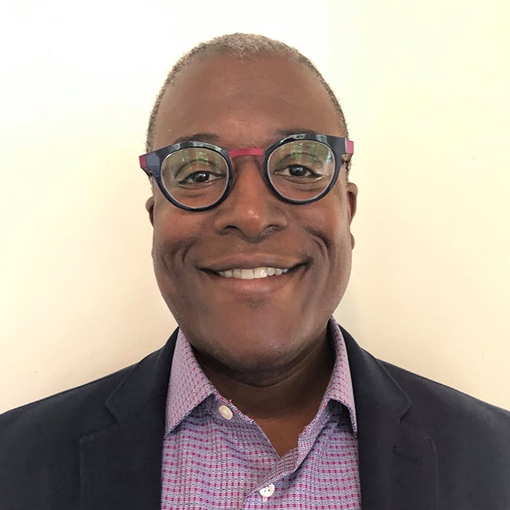
A leading pharmaceutical chemist at the University of California, San Francisco (UCSF)—the nation's premier biomedical research institution—Professor Jason Sello is an investigator at the Chan Zuckerberg Biohub and recipient of the prestigious U.S. National Science Foundation (NSF) Career Award. Having completed his postdoctoral fellowship at Harvard University, Dr. Sello directs cutting-edge laboratories pioneering next-generation antimicrobial drugs and therapeutic enzymes to combat antibiotic-resistant superbugs. Under his mentorship, students gain direct exposure to elite pharmaceutical discovery pipelines, mastering the molecular modeling and experimental design standards valued by top medical schools and Ivy League bioscience faculties.
Course Description: This course focuses on research related to the discovery and development of therapeutic agents. Key topics include drug structure, mechanisms of action, and drug delivery, all of which are covered in detail. By the end of the course, students will develop a solid understanding of the structures and mechanisms of major classes of drugs, including both small-molecule therapeutics and biologics; the structures and reactivity of amino acids, proteins, nucleic acids, carbohydrates, fatty acids, enzyme cofactors, and other biomolecules; nomenclature, structure, and chemical reactivity of organic molecules; and the methods used to elucidate the structures of biological macromolecules and low-molecular-weight organic compounds. Comprehensive exploration of modern drug discovery from chemical and biological perspectives. Covers molecular mechanisms, protein structures, enzymology, and pharmaceutical development. Assessment Methods: Recommendation Letter Opportunities, Research Papers
Professor Hours
10 hours
TA Mentoring Hours
30 hours
Schedule
tbd
Program Details
Faculty Mentor
Jason Sello
Professor of Pharmaceutical Chemistry
University of California San Francisco
Duration
Dec 19, 2026 – Dec 30, 2026
Cohort Capacity
5 Students
Delivery Format
Online (Remote)
Program tuition
$6,000 USD
Tuition is separate from the $50 USD application fee. Ask admissions about payment timing, inclusions and cancellation terms before applying.
Online card charge: ₩68,000 KRW. Covers application review; tuition is separate.
Applications are reviewed for research readiness and fit. A place is confirmed only after an admissions decision.
Application steps and fee informationCancellation and refund policy₩68,000 KRW